
Beyond the Postcard Peaks
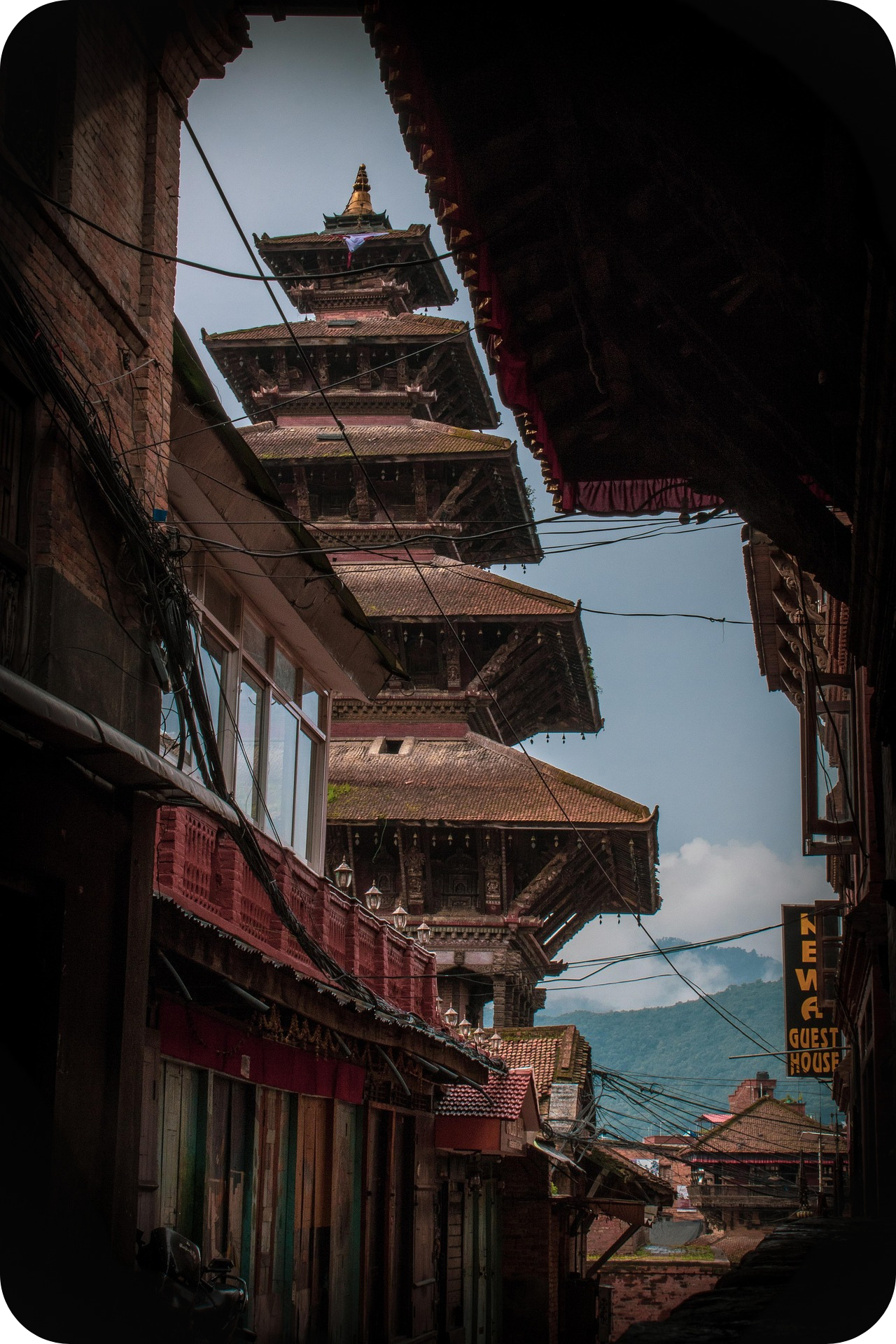
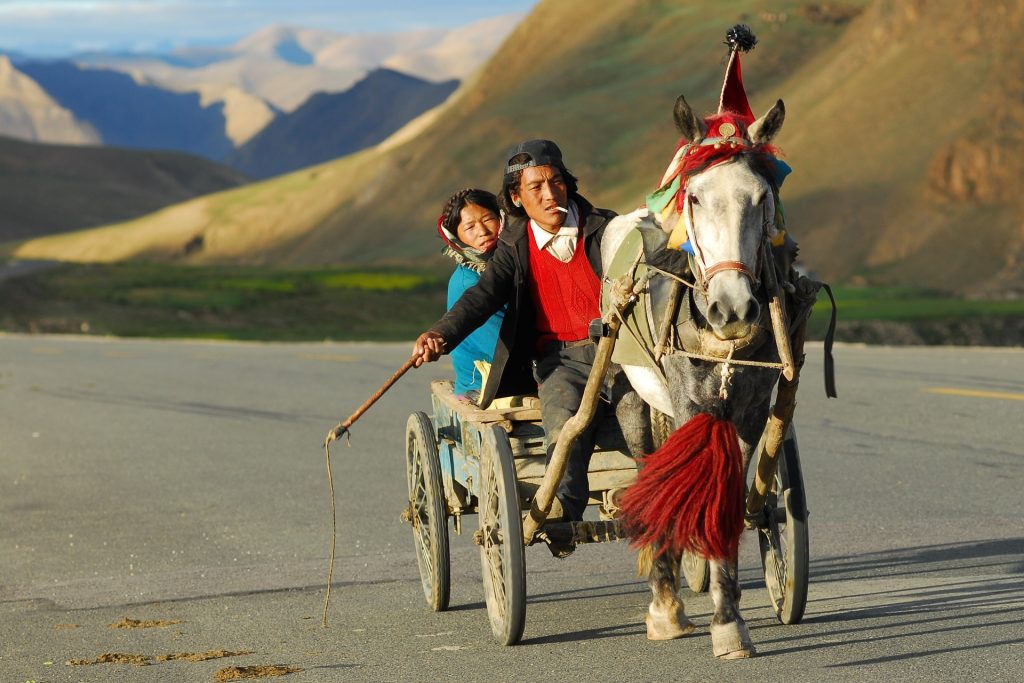
Most people see Nepal as just a backdrop for a North Face commercial nothing but snow, yaks, and guys in parkas. But keeping it 100, the mountains are just the fence. The real magic is what’s happening inside the yard. Nepal is a high-altitude fever dream where ancient history and modern hustle collide. We’re talking about a place that never got colonized, a place that stands on its own two feet, tucked between giants. It’s loud, it’s colorful, it’s dusty, and it’s beautiful. If you think you know Nepal because you saw a picture of Everest, you’re missing the whole vibe. This is about the people who live where the oxygen is thin but the spirit is heavy.
Nepal is my home, a land of many wonders, but the greatest of them all is its unparalleled diversity and rich heritage.
Suman Pokhrel
Beyond the Postcard Peaks
Most people see Nepal as just a backdrop for a North Face commercial nothing but snow, yaks, and guys in parkas. But keeping it 100, the mountains are just the fence. The real magic is what’s happening inside the yard. Nepal is a high-altitude fever dream where ancient history and modern hustle collide. We’re talking about a place that never got colonized, a place that stands on its own two feet, tucked between giants. It’s loud, it’s colorful, it’s dusty, and it’s beautiful. If you think you know Nepal because you saw a picture of Everest, you’re missing the whole vibe. This is about the people who live where the oxygen is thin but the spirit is heavy.
Nepal is my home, a land of many wonders, but the greatest of them all is its unparalleled diversity and rich heritage.
Suman Pokhrel
Three Worlds in One Day
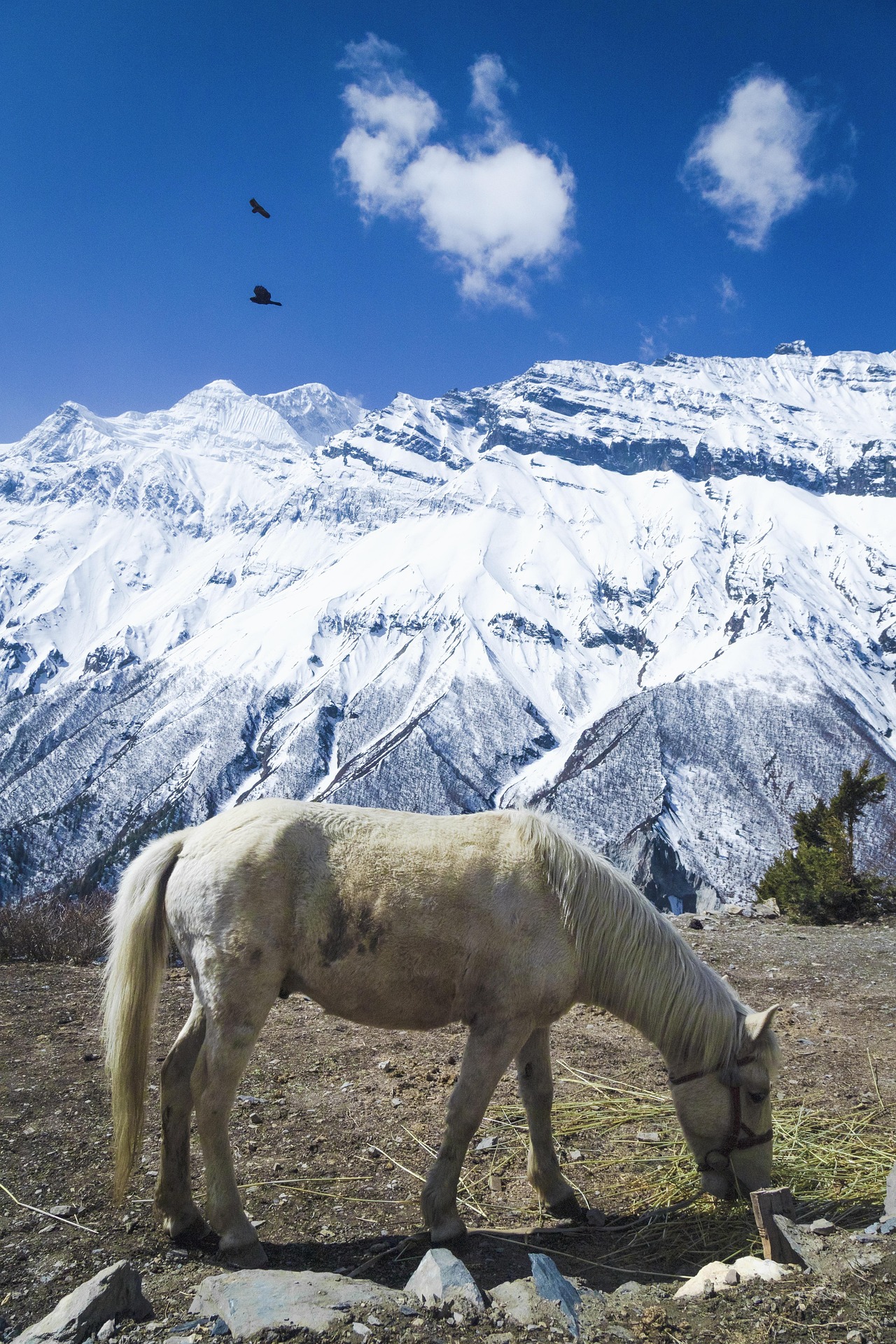
One of the most mind-blowing things about Nepal is how fast the world changes around you. In a distance of just 250 kilometers(155 Miles) from north to south, you experience three completely different worlds.
The Mountain Region: In the north, it is chillingly cold, dominated by the giants of the Himalayas.
The Hilly Region: Moving south, the climate becomes moderate and perfect for the terraced farming that sustains much of the population.
The Terai Region: Finally, you hit the southern plains, where it is tropical and hot.
As my Uncle, who lived and worked in Nepal for over 16 years, puts it: “You can literally experience three different climate conditions in a single day.” This geographical diversity is why Nepal is often called a “world within a world.”
Three Worlds in One Day
One of the most mind-blowing things about Nepal is how fast the world changes around you. In a distance of just 250 kilometers(155 Miles) from north to south, you experience three completely different worlds.
The Mountain Region: In the north, it is chillingly cold, dominated by the giants of the Himalayas.
The Hilly Region: Moving south, the climate becomes moderate and perfect for the terraced farming that sustains much of the population.
The Terai Region: Finally, you hit the southern plains, where it is tropical and hot.
As my Uncle, who lived and worked in Nepal for over 16 years, puts it: “You can literally experience three different climate conditions in a single day.” This geographical diversity is why Nepal is often called a “world within a world.”
The Birthplace of Peace
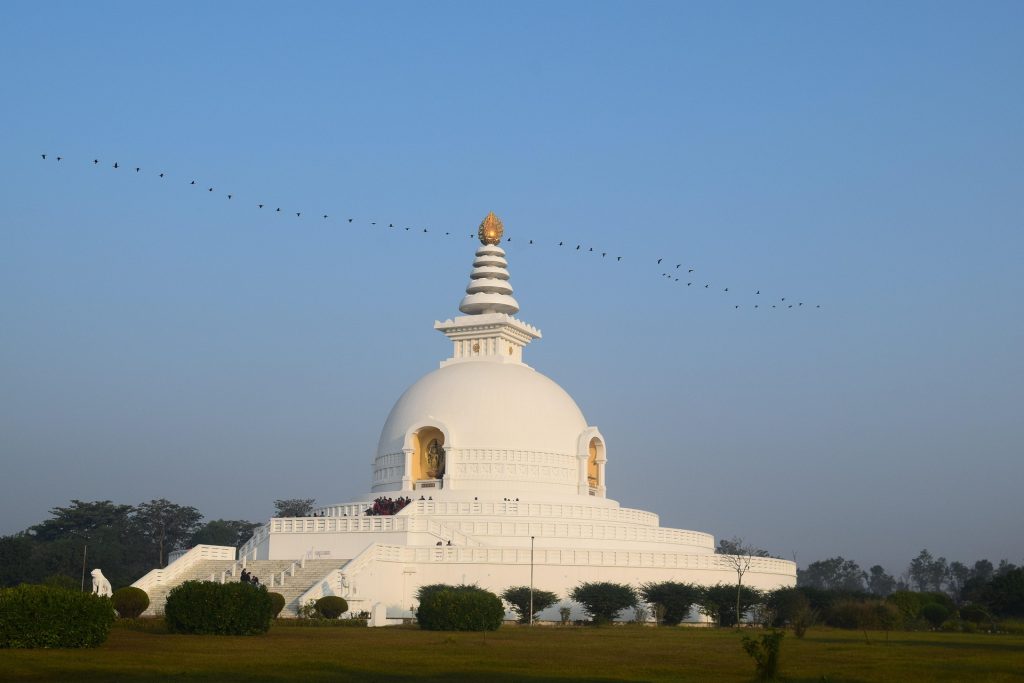
Nepal holds a sacred title that few other places can claim: it is the birthplace of Gautam Buddha, who was born in the gardens of Lumbini. This isn’t just a historical fact; it’s the spiritual root of the country. For people all over the globe, Lumbini is a sanctuary for peace and the ultimate destination for those trying to understand the origins of enlightenment. It’s a place where the energy feels different—still, quiet, and deeply grounded in the ancient philosophy of non-violence.
The City of Temples
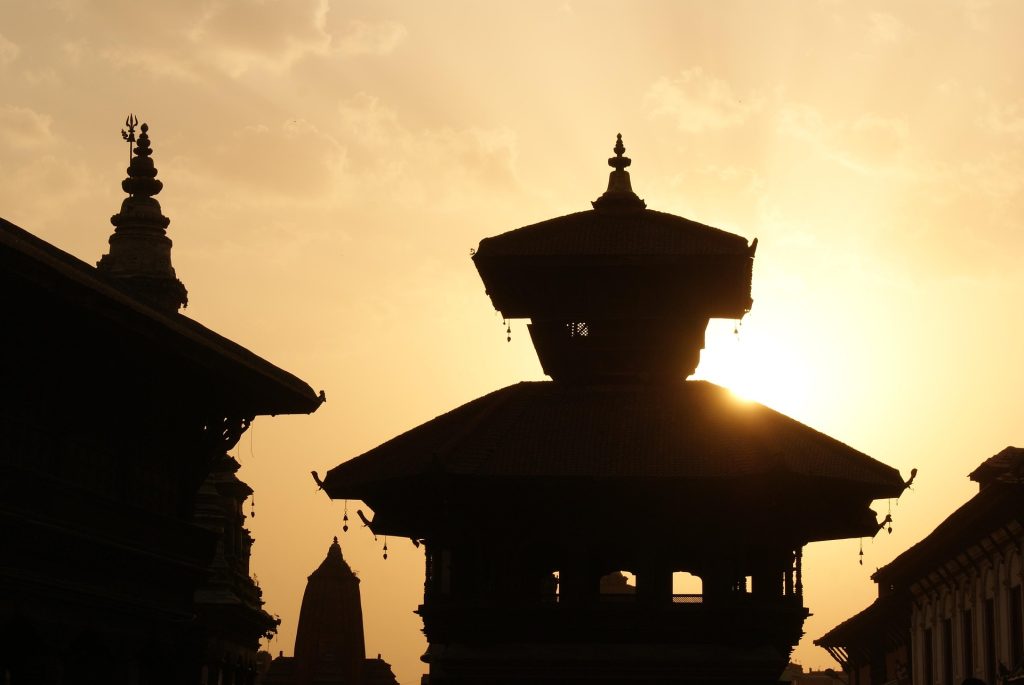
While the high peaks get the fame, the heartbeat of the country is in Kathmandu, famously known as the “City of Temples.” Nepal has made a massive transition from being the world’s last Hindu Kingdom to a secular republic where Hinduism and Buddhism flow together like two rivers. You can’t walk a single block in the capital without smelling incense or seeing colorful prayer flags fluttering in the wind. This spiritual synergy is everywhere—you’ll often see Hindu shrines and Buddhist stupas sharing the same space, proving that different beliefs can exist in perfect, peaceful harmony.
The Modern Shift
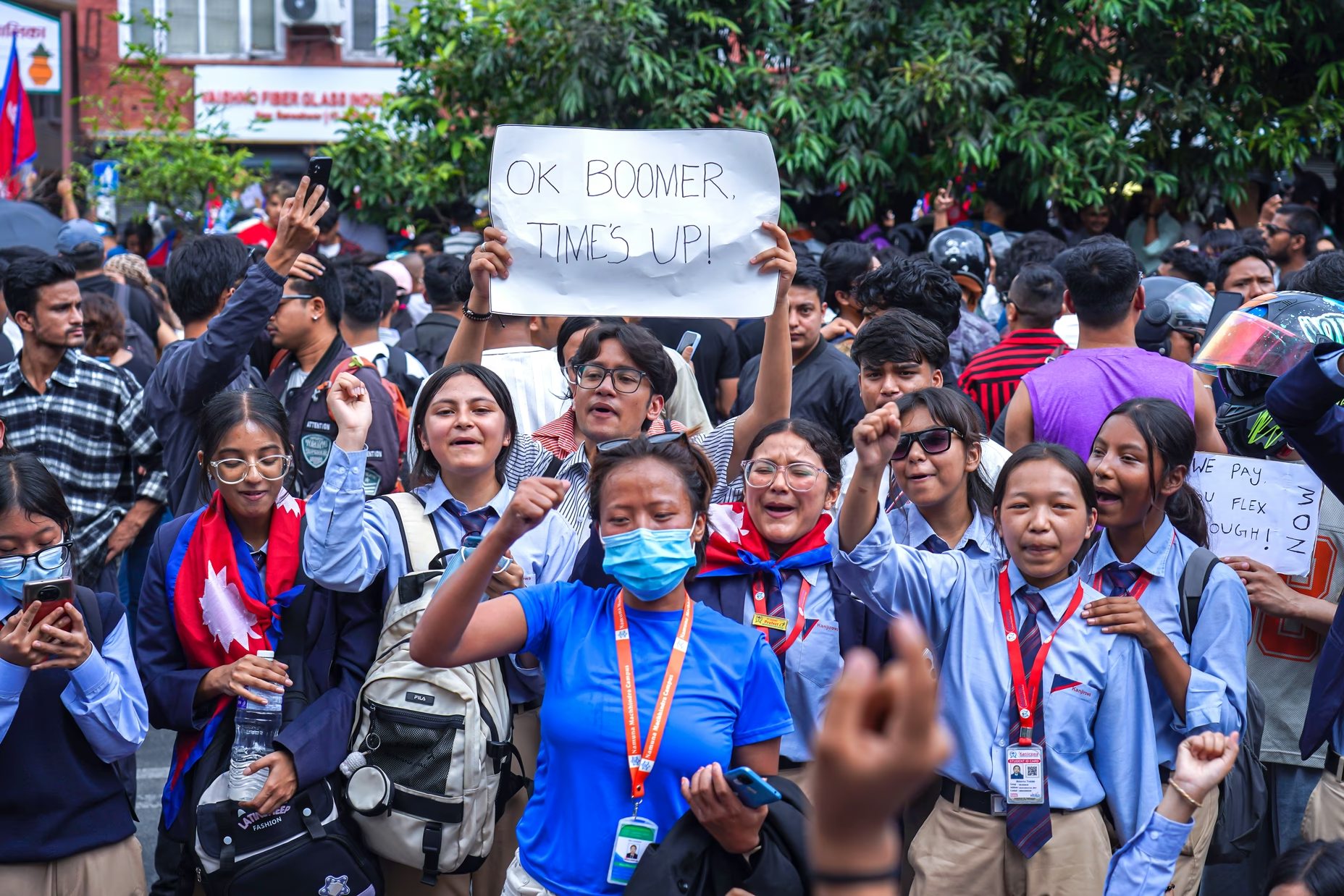
Nepal is a country in the middle of a massive transformation. For centuries, it was ruled by Kings, but today it is a Republic with a President. The political energy is shifting toward the youth; recently, elections saw a massive wave of young leaders, with 70% of senators now being below the age of 40.
The work culture is changing too. Traditionally, the Nepalese worked six days a week with only Saturday off, and a standard workday was 7 hours. Now, the country is moving toward international standards, adopting a 5-day work week. Even with these changes, traditions stay strong. In government offices, you will still see officials wearing the Daura Surwal (the national dress), and while Nepali is the official language, English is taught in every school, making the country incredibly accessible to the world.
Nature’s Masterpiece
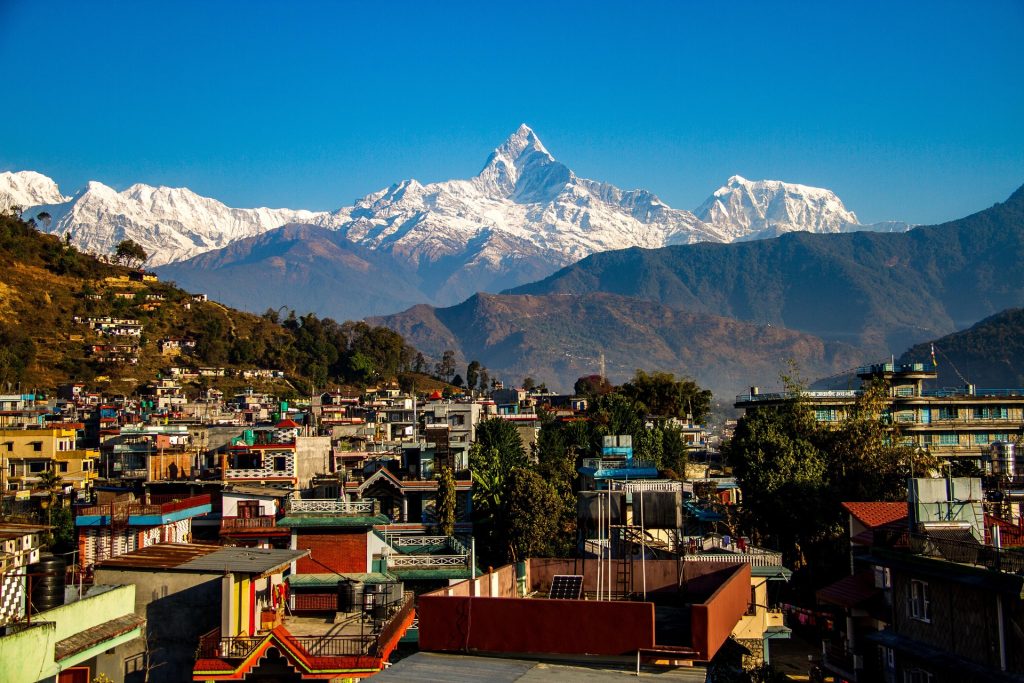
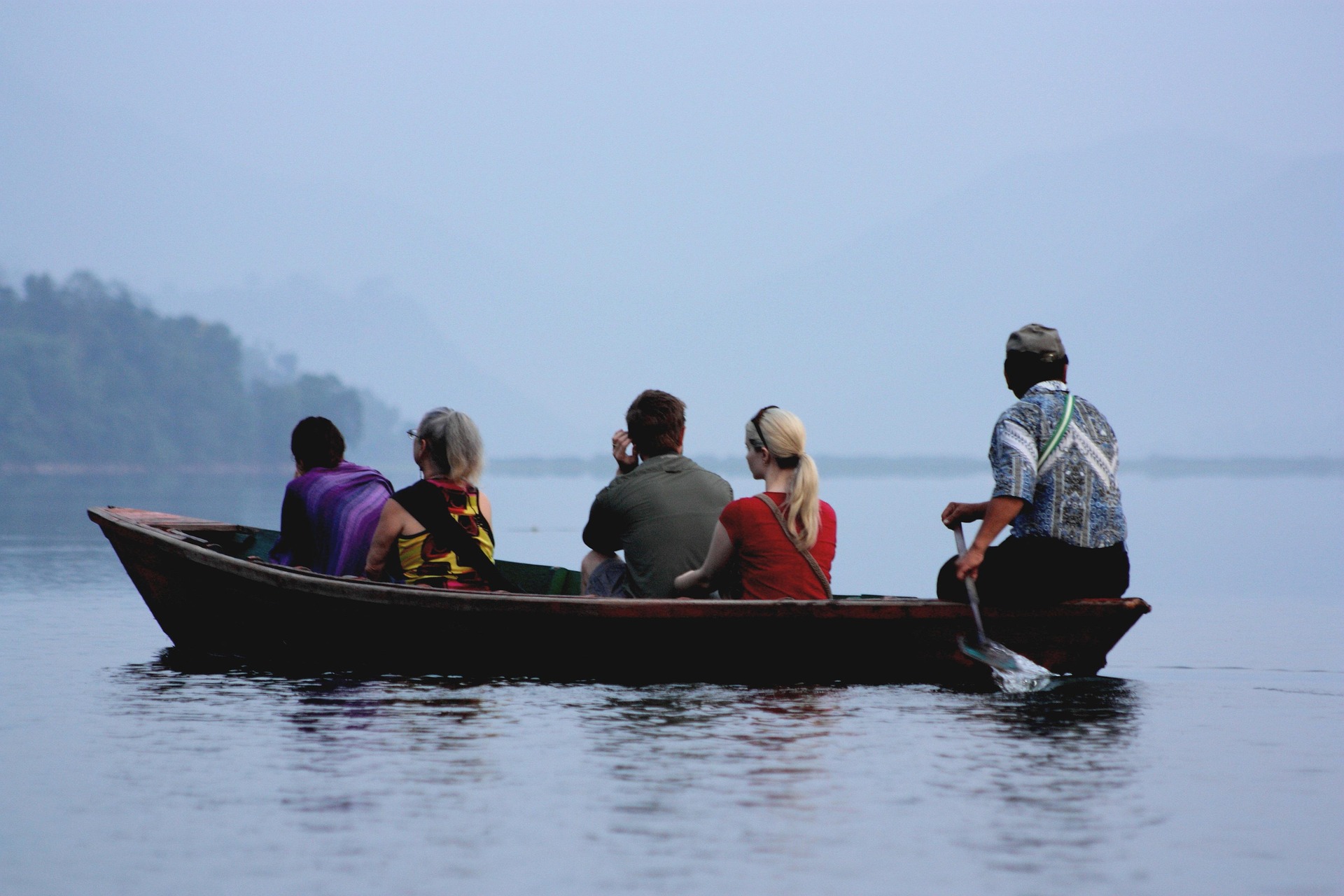
Beyond the cities, Nepal is a playground for nature lovers. Places like Pokhara, the “City of Lakes,” offer immaculate views of the Himalayan ranges reflected in still water. Then there is Chitwan National Park, the famous home of the one-horned rhino, a creature found only here.
The national symbols of Nepal reflect this deep connection to the earth:
National Animal: The Cow (sacred in Nepalese culture).
National Bird: The Danphe (Lophophorus), a bird with rainbow feathers that mirror the country’s diversity.



Nature’s Masterpiece
Beyond the cities, Nepal is a playground for nature lovers. Places like Pokhara, the “City of Lakes,” offer immaculate views of the Himalayan ranges reflected in still water. Then there is Chitwan National Park, the famous home of the one-horned rhino, a creature found only here.
The national symbols of Nepal reflect this deep connection to the earth:
National Animal: The Cow (sacred in Nepalese culture).
National Bird: The Danphe (Lophophorus), a bird with rainbow feathers that mirror the country’s diversity.
A Rollercoaster Journey
A Personal Perspective
To truly understand the Nepalese "grind," you have to look past the tourist brochures and see the lives of the people who actually built the country from the ground up. My Uncle’s life story is a perfect blueprint of Nepalese resilience, the value of studying, and the massive shift from rural life to the hustle of the capital.
From the Plains to the Capital
My Uncle was born in a small town in the Terai region. For him, the Terai always felt most like home because it’s where his roots are—the hot, tropical plains where life moves at a different pace. But like many ambitious young people in Nepal, he knew that education was the key to a different future. He moved to the capital city, Kathmandu, to complete his journey from high school all the way to a Master’s Degree in Management.
The $50 Starting Line
Even with a high-level degree, the start wasn't easy. He began his career working as a teacher for one year. In a reality that's hard for many in the West to imagine, his monthly salary was only 5,000 NPR—which is roughly $50 USD. Imagine working a full month as a teacher for the price of a single pair of sneakers. It was a humble beginning, but it wasn't his final destination.
The Consultancy Climb
He eventually transitioned into the world of educational consultancy, and this is where his "rollercoaster experience" really took off. Starting as a junior counselor and working his way up to Senior Manager, he spent over 16 years navigating the changing landscape of Nepal. His impact was massive: he served more than 5,000 Nepalese students seeking degrees in foreign countries. As he climbed the corporate ladder, his income saw a legendary jump—from that initial $50 a month to $2500 a month.
Exploring the Soul of the Land
His job didn't just stay behind a desk; it gave him the opportunity to explore the diverse beauty of Nepal. He traveled from the bustling streets of the capital to Pokhara, the "City of Lakes," where the Himalayan ranges reflect off the water like a mirror. He visited Chitwan National Park, the sanctuary for the rare one-horn rhino, and made the pilgrimage to Lumbini, the sacred birthplace of Gautam Buddha.
A Tradition That Stands Still
Despite all the professional success and the country’s transition from a Kingdom to a Republic, his personal life remained grounded in tradition. At the age of 30, he celebrated his marriage in Kathmandu with a full Nepalese traditional ceremony. Over 150 friends and relatives gathered at a hotel to give blessings and gifts. My Uncle wore the national Daura Surwal, while his bride was in a stunning red Sari. Even in a rapidly modernizing country, these traditions are the glue that holds families together.
If Nepal is the land of Himalayas and anyone is seeking for inner peace, one can go there and feel it—Nepal is the best place for meditation
Kabindra Giri

If Nepal is the land of Himalayas and anyone is seeking for inner peace, one can go there and feel it—Nepal is the best place for meditation
Kabindra Giri