
Foods
Pounded Yam
Ariel loves pounded yam. Another name for it is swallow food since Nigerians don’t chew it.
Goat Stew
I love goat stew with rice!
Drinks
Hibiscus Drink
Hibiscus Tea is good hot or cold! It tastes great with sugar too. In Nigeria it is called zobo. They add ginger & other ingredients to enhance taste. I have only tried caribbean versions of hibiscus cold drinks with spices [sorrel] & hot plain hibiscus tea with occasional sugar added.
Materials
Traditional Fabric
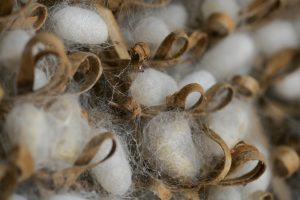
I personally like breathable, biodegradable fabrics. Traditional Cotton Fabrics [Aso-oke], Raw Moth Silk.
Traditional Dyes
Blue, Red
Modern Imported Fabrics
Bazin Riche, Bazin Brocade, & Bazin Damask, all translated “rich fabrics”, are European cotton fabrics, coated with silicone to give a shiny appearance. I have personally wore Bazin fabrics for an outfit (headwrap, top, & skirt) with embroidery attached.
Metals
Gold & Silver for jewelry! I am very into stiff jewelry that does not dangle & move a lot unless bent or opened. It is simply wire with molten designs. Sometimes I like ones with jewels or beads. Some examples: necklace, bangle. I personally do not prefer chains.


Hair & Self Care Products
Hair
Natural hair in Nigeria is commonly worn & embraced even with British colonialism effects, preference of traditional hairstyles instead of loose hair before & after colonialism & modern social pressures for women derived from wanting to achieve European beauty standards or straight hair.
Today Nigerian women adults often straighten it, wear natural twists & braids, or wear loose naturally afro hair at any size. In West African schools for girls, girls may only wear loose, short natural afro hair or natural hair Didi braids. Integrated & private school’s hair policies are more lax. Do keep in mind these policies are put in place so girls can focus on school and not appearance.
Didi braids [same technique as French/Inverted braids] have been around for ages in Yoruba culture and are still worn today by all ages! I like the 3D effect & fullness they give!
Hair Extensions & Wigs
Nigerian women often braid & add hair with extensions. Wigs are also very popular for taking on & off. Didi braids are popular for this purpose as well since they make weaving wig nets easier. Today, hair extensions made from safe chemicals & bio-degradable materials are emerging in popularity internationally.
I personally like wearing the most healthiest, sustainable hairstyles that suit my routine & environment. Whether it’s wearing natural hair (loose afro, braids, twists) or breathable, bio-degradable extensions (plant-based or my shed hair). I do not like using too much heat either as it causes damage to hair.
Yoruba
Sylabols
I personally am still learning Yoruba, but I know a few words from media, my favorite foods & clothing. All I know off hand to say is hello & goodbye.