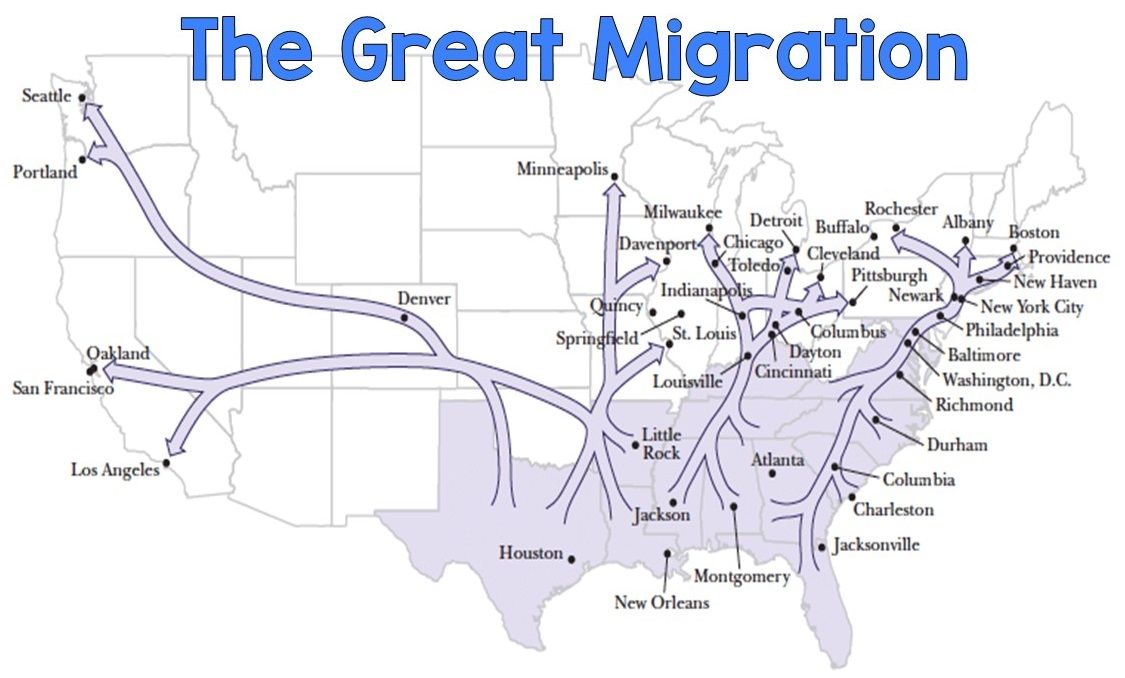
The Great Migration was a 6-million-person cultural heist, fueled by the Atlantic Coast railroad lines that funneled Southern brilliance from the Carolinas and Georgia directly into the concrete of DC, Philly, and NYC. Moving “Up South” wasn’t a search for a utopia, but a strategic escape where migrants packed their “Sunday Best” and rural traditions into crowded urban centers. This high-pressure density transformed isolated traditions into a global powerhouse, turning tenement basements into the birthplaces of the Harlem Renaissance and the modern Black urban identity.
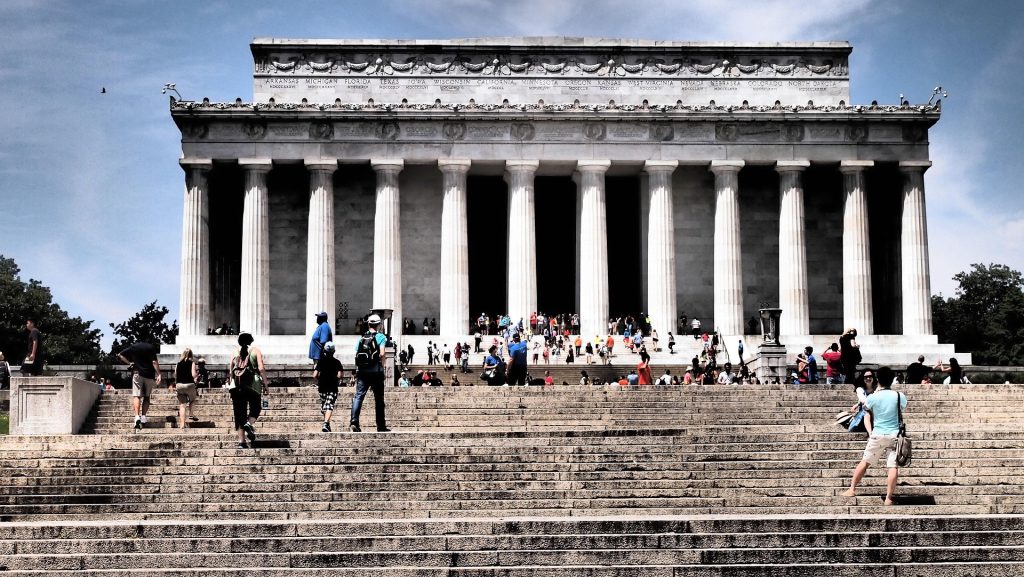
Washington D.C
In 2020, Go-Go music was signed into law as the official music of D.C. Go-Go is a subgenre of funk unique to its continuous “pocket”(the beat never stops between songs) and heavy focus on congas and cowbells.
#DontMuteDC
This modern movement started in 2019 when a local shop (Metro PCS) was forced to stop playing Go-Go outside. It sparked a massive protest against gentrification, proving that the music is a direct symbol of Black residency and resistance in the capital.
Howard University
Known as “The Mecca,” Howard serves as the intellectual and cultural anchor for Black DC, producing leaders like Thurgood Marshall and Toni Morrison.
Baltimore
Baltimore is likely the last city in the U.S. to maintain the tradition of “arabbing” selling fresh produce from horse-drawn wagons. This 150-year-old tradition provides fresh food to neighborhoods in “food deserts” and has its own unique musical “hollers” (calls) used by vendors to announce their arrival
Vernacular & Grit
Baltimore culture is famously distinct for its specific dialect and the “grit and grace” aesthetic, blending the blue-collar industrial history of the docks with high-level Black entrepreneurship.
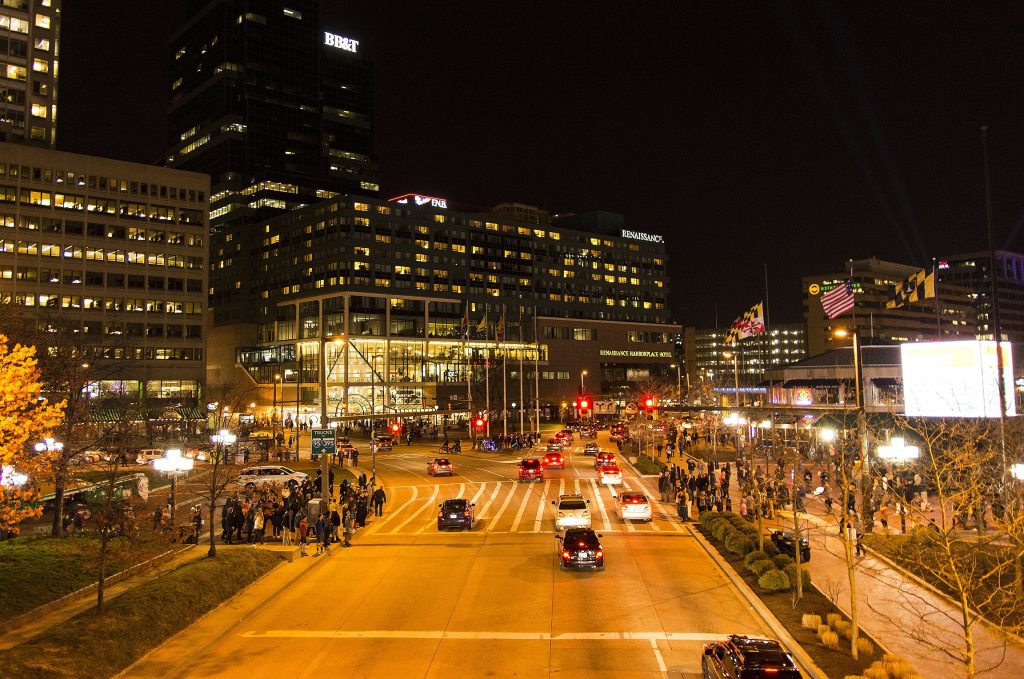
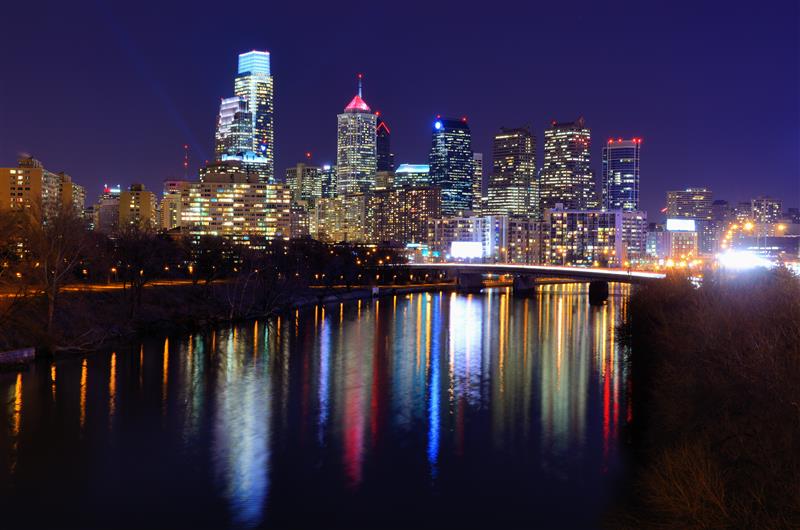
Philadelphia
Philadelphia is known as the “Mural Capital of the World,” boasting over 4,000 murals. It began in 1984 as an anti-graffiti program under the city’s first Black mayor, Wilson Goode, to redirect the energy of street artists into community storytelling.
The "Sound of Philadelphia"
Beyond the murals, Philly created a specific “Soul” sound characterized by lush orchestrations and “sweet” vocals that served as a smoother counterpart to the gritty Motown sound.
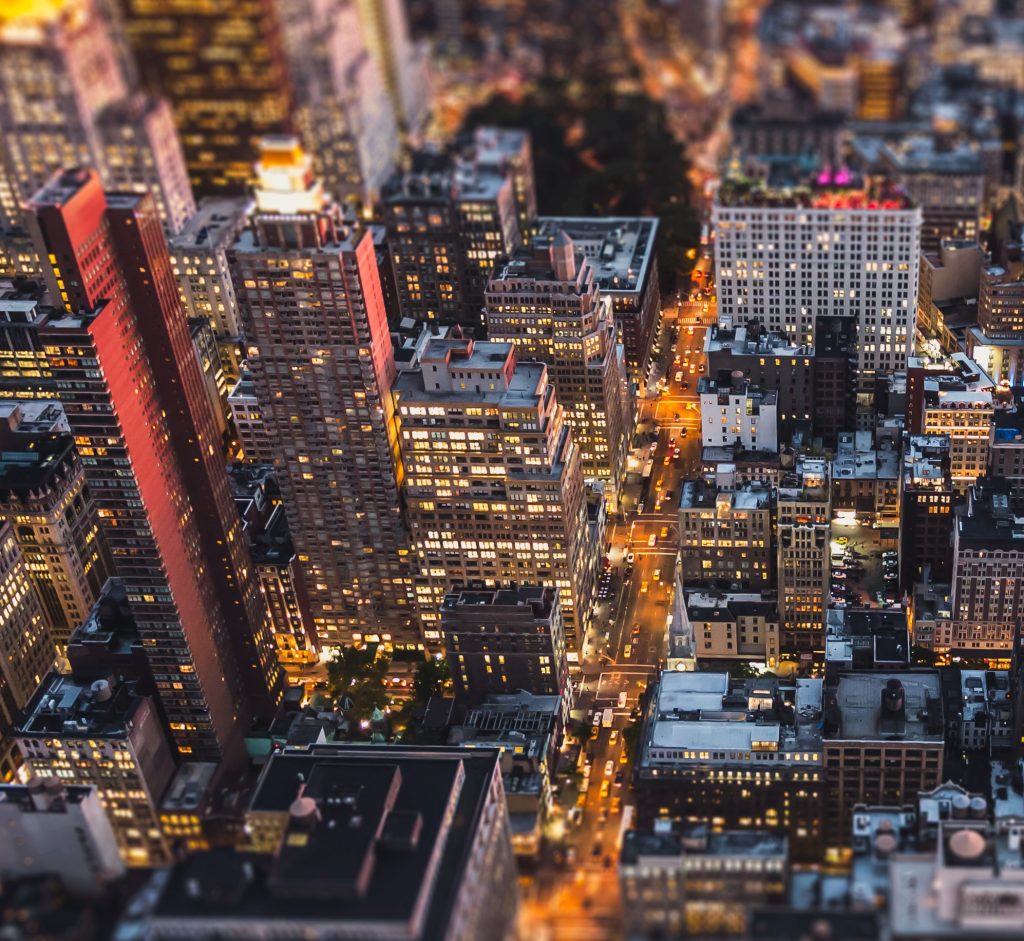
New York City
Harlem was originally intended as an upper-class white neighborhood, but a housing surplus in the early 1900s allowed African American families to move in, creating the highest concentration of Black people in the world by the 1920s.
The "New Negro" Movement
The Harlem Renaissance wasn’t just about jazz; it was a political movement to redefine the Black identity away from white stereotypes through high-art, literature (Langston Hughes), and “Sunday Best” fashion.
Rent Parties
To combat high housing costs and segregation, residents held “Rent Parties,” private house parties where guests paid an entry fee for food and live music, effectively inventing a grassroots economic and social system.
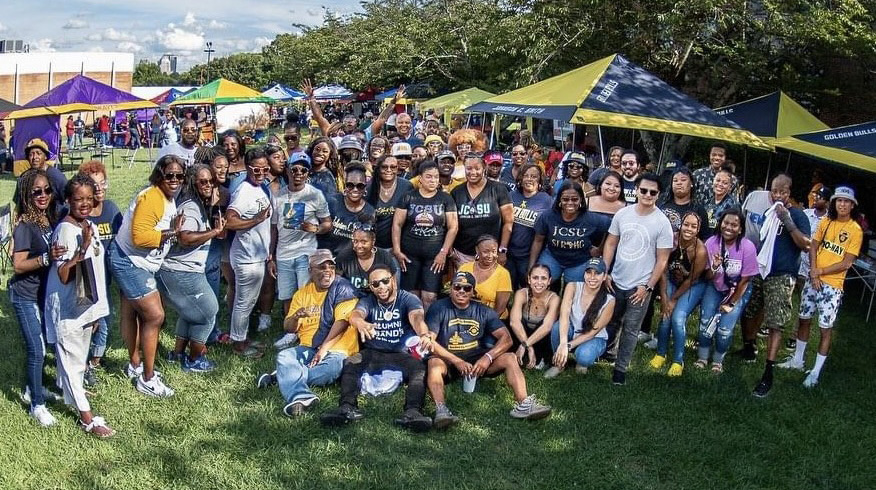
East Coast culture is all about grit and grace. It’s where old-school “Sunday Best” traditions meet fresh streetwear styles born on the block. You can hear it in the music, too it’s a straight line from the smooth sounds of Jazz to the heavy beats of 90s Hip-Hop. Between the local barbershops, the church, and the food, these neighborhoods aren’t just places to live; they’re the heart of a vibe that the whole world tries to copy.
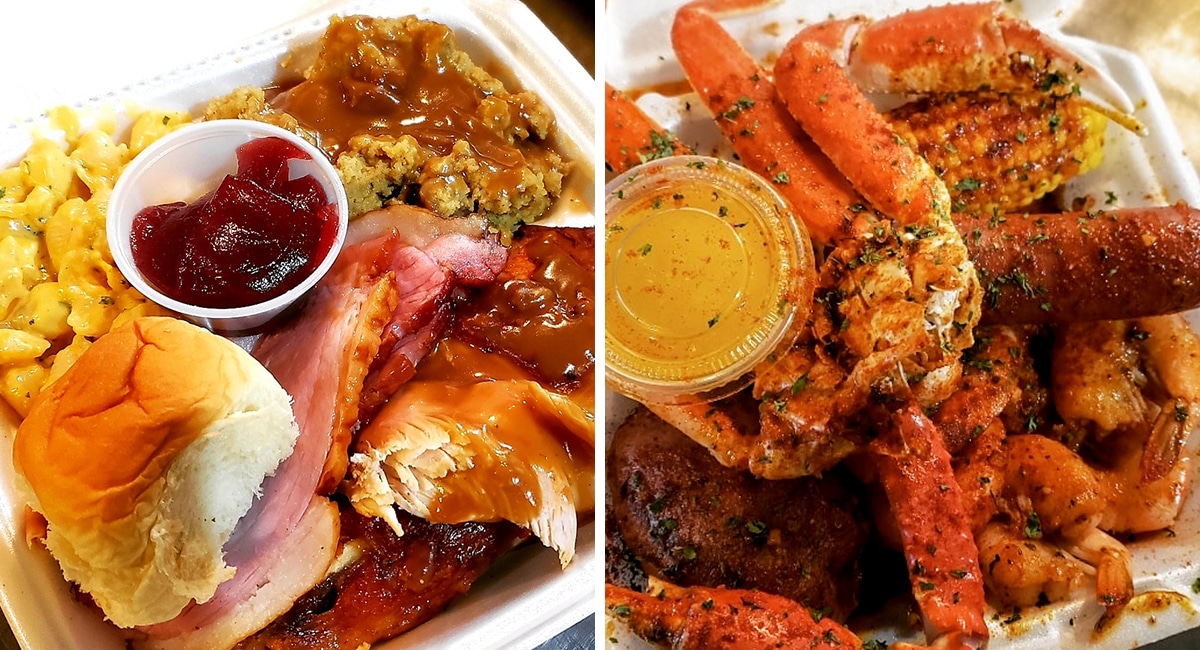
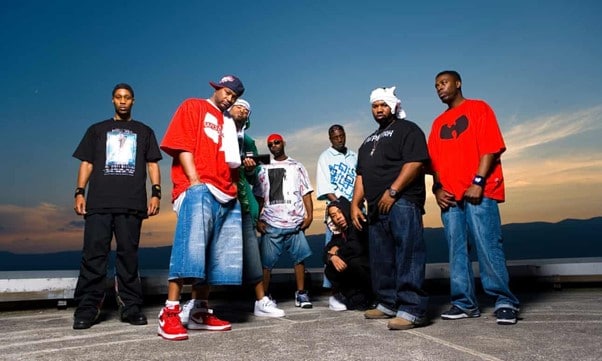
The Food
The flavor is defined by the famous Maryland Blue Crab and traditional Soul Food dishes that were brought up from the South and perfected in East Coast kitchens.
The Fashion
It’s the “Grit and Grace” look. You’ll see the sharp “Sunday Best” outfits at church and the legendary streetwear and sneakers that started on these city blocks.
The Music
It’s a straight line from the smooth Jazz of the Renaissance to the heavy “Boom-Bap” beats of 90s Hip-Hop and the non-stop energy of D.C. Go-Go.
The Faith
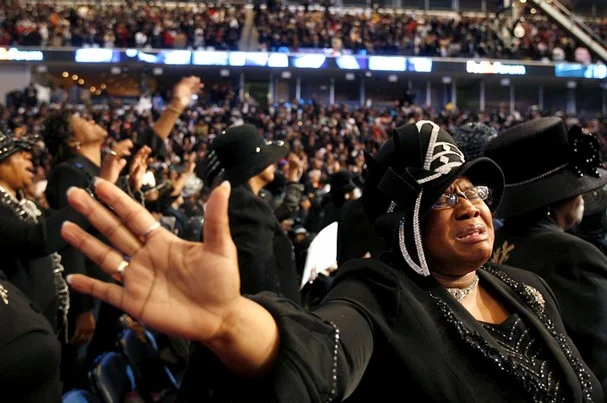
The Barber Shop and the Black Church are the “town squares.” These are the places where people go to get news, talk politics, and keep the neighborhood connected.
The East Coast is the powerhouse where modern movements like Black Lives Matter first found their voice, proving that activism is still the heart of these cities. Today, that same energy is fueling a new wave of Black-led tech hubs and creative businesses that are taking over global markets. From designing the next big app to owning the latest fashion trends, the East Coast isn’t just following the future it’s building it.”
The People's Legacy
The legacy of protest in the streets of NYC and DC has evolved into a powerful movement for ‘Black Social Economics.’ Building on decades of fighting for basic rights, communities are now focused on securing long-term power by investing directly in their own neighborhoods. This isn’t just about business, it’s about honoring the struggle by ensuring the next generation owns the land, the shops, and the future they fought for.
Enhancing Our Communities Through Technology
Cities like Philly and DC are becoming the new headquarters for Black innovation. Founders are launching tech startups that solve real-world problems, such as Scholly, which uses AI to help students access millions in scholarships, and Tribaja, a platform connecting diverse talent to the tech industry. From streaming services like Kweli TV that celebrate Black stories to major events like the Black Wealth Summit, these leaders are making sure the culture isn’t just using technology it’s owning a seat at the table in the digital world.
Black Owned Businesses
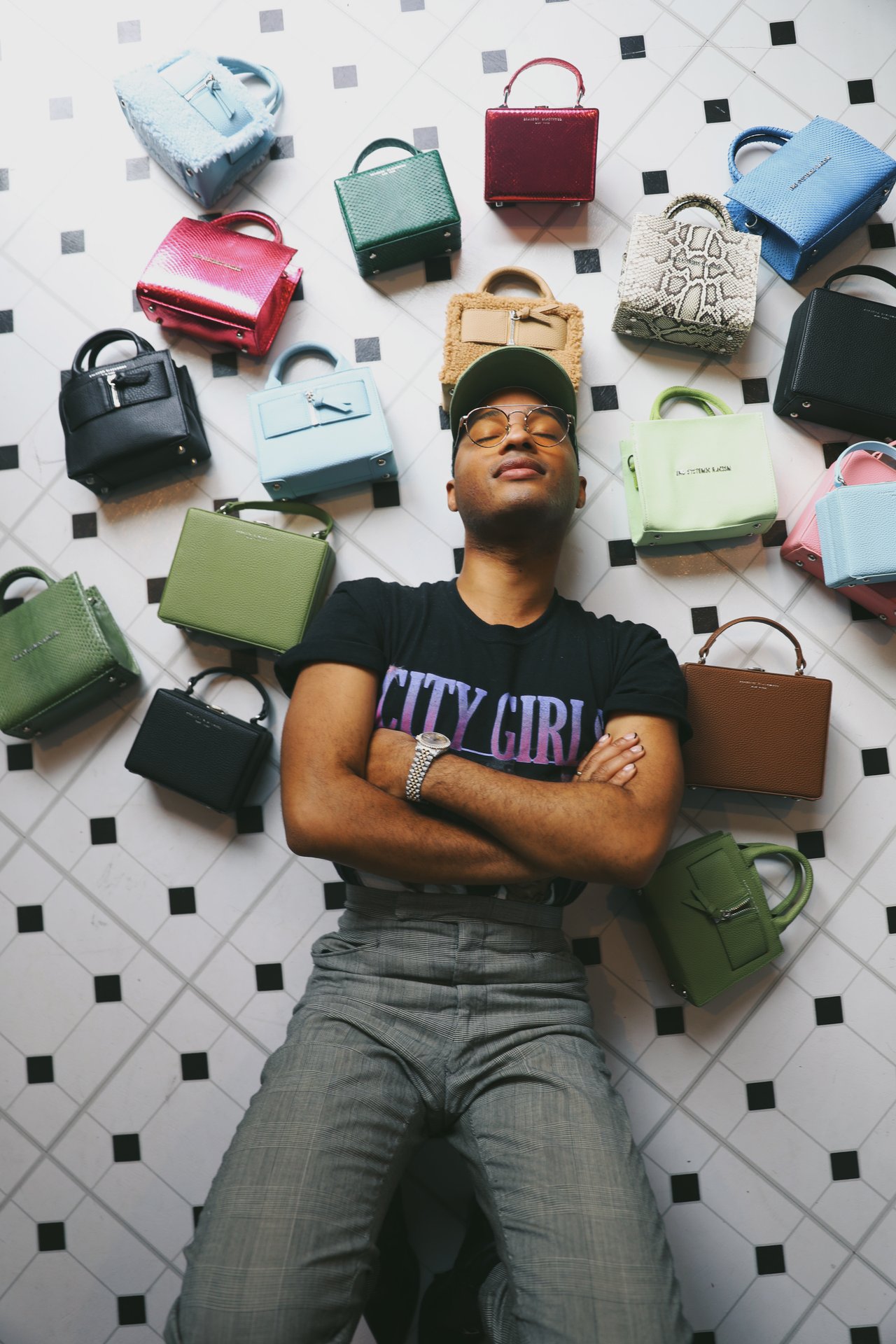
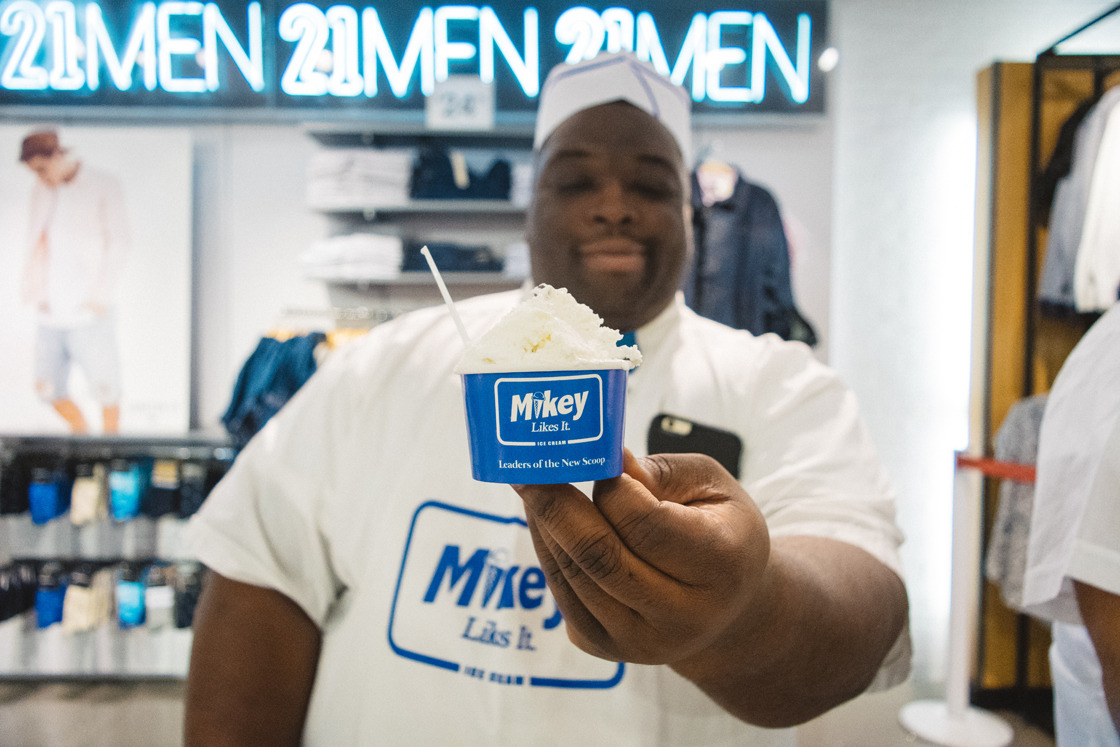
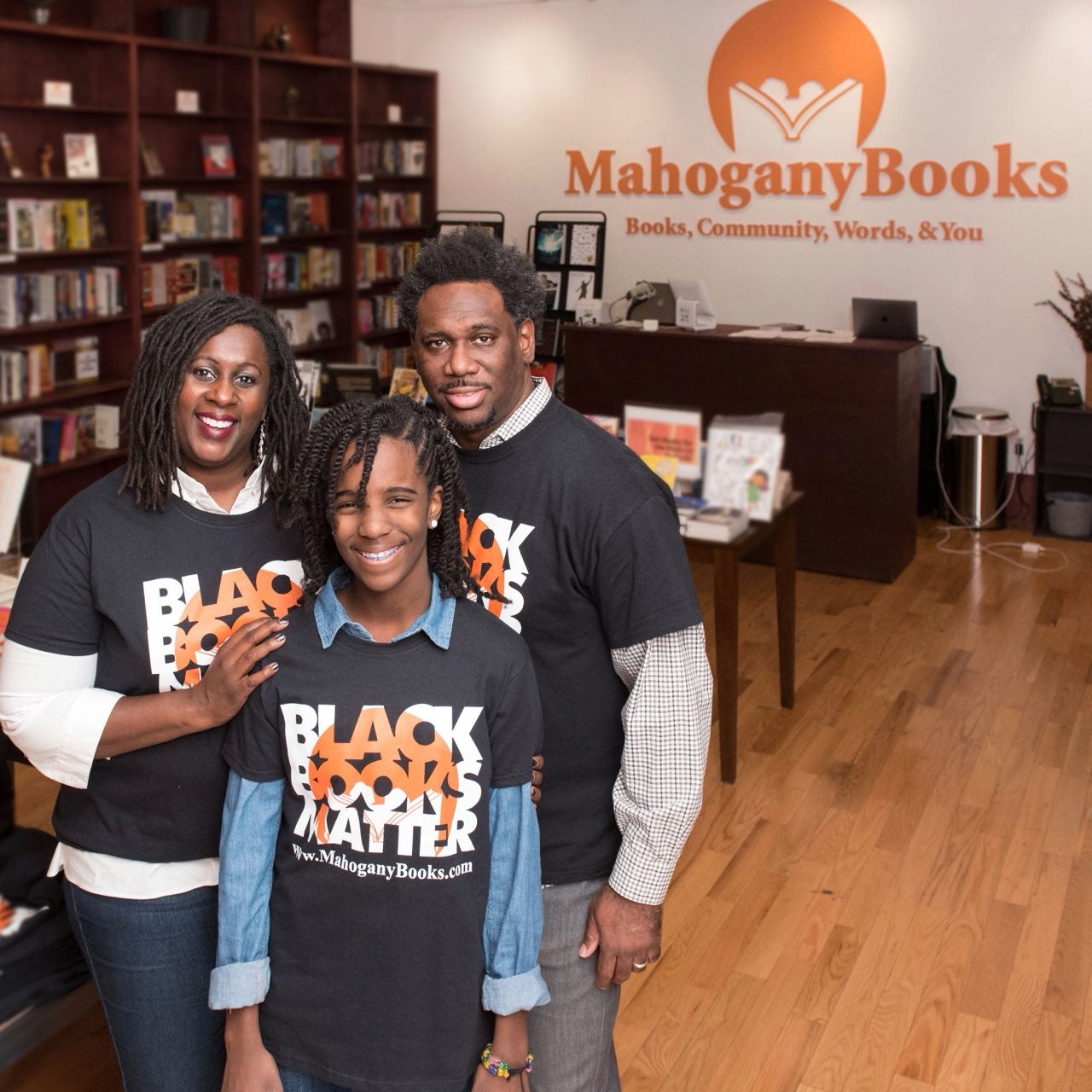
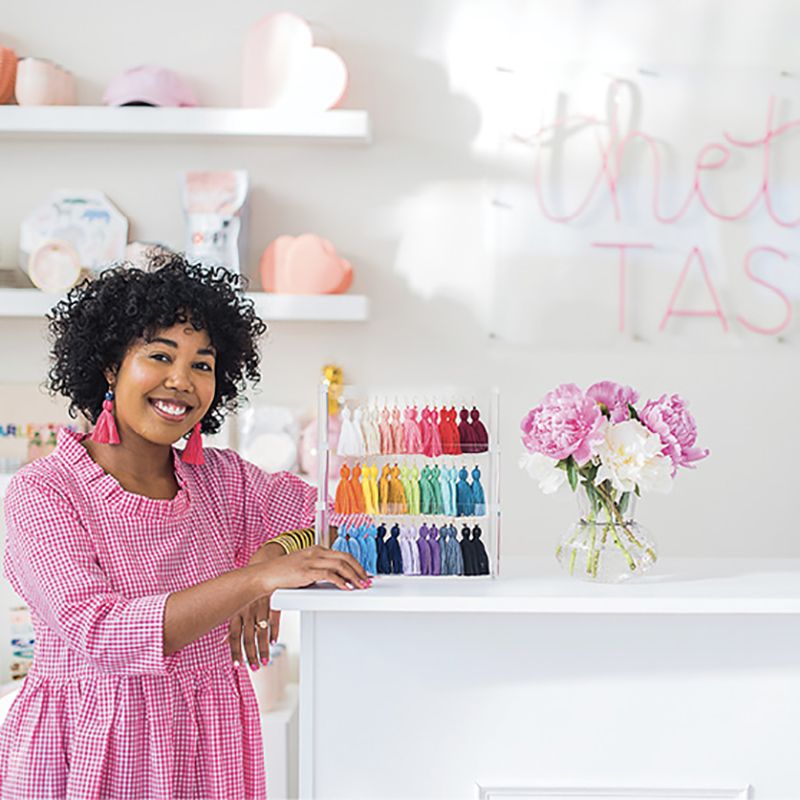
Building on a century-long legacy of Black-owned business, today’s creators are taking independence to a global scale. From independent music labels and digital art to legendary streetwear brands, the focus has shifted from local survival to total ownership of the global narrative. By using modern tools to control their own distribution and legacy, these creators are expanding the path carved out by the generations of entrepreneurs who came before them.
Being black and growing up in America, you see brilliance and innovation, but alongside that, there is everything from gang-related conflict to brutality to systemic oppression. We cannot poison the well and expect clean water when violence and bad influence seep into our neighborhoods. Though the phrase is played out, we have to uplift ourselves as a community and fight the stigmas that have been forced upon us. Everything listed here is proof that, as a community, we can heal, but we have to put forth the effort. I’d like to leave this earth knowing the water we leave behind for the next generations is pure.
Change will not come if we wait for some other person or some other time. We are the ones we've been waiting for. We are the change that we seek.
Barack Obama