
Kwanzaa
Origins and History
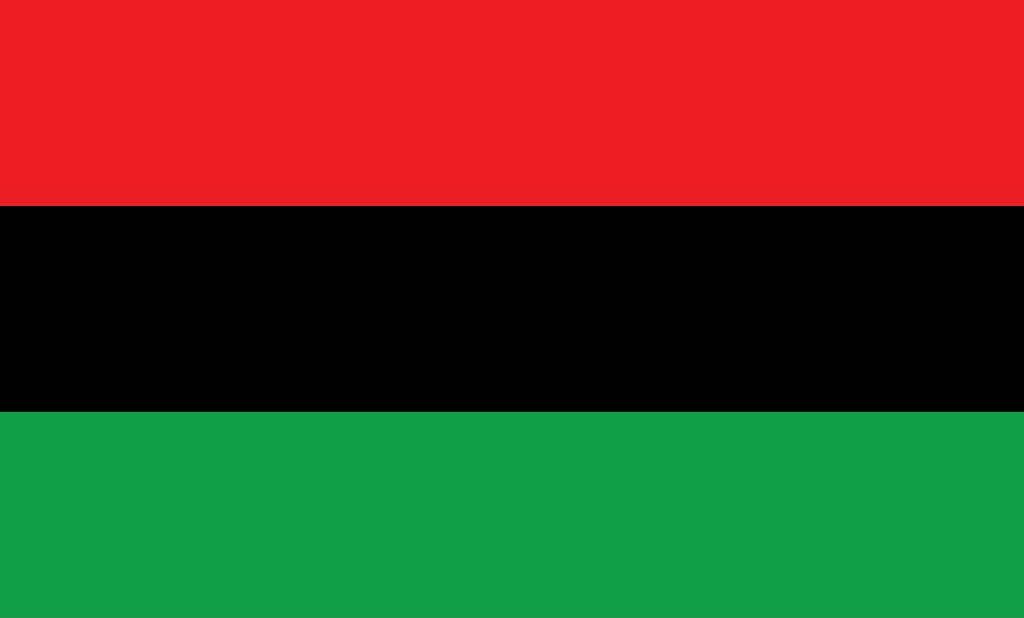
Kwanzaa is a seven‑day African American cultural holiday that celebrates community, heritage, and shared values. It runs every year from December 26 to January 1, and while it’s not a religious holiday, many people weave it into their seasonal traditions alongside Christmas, Hanukkah, or New Year’s. At its core, Kwanzaa is about honoring African roots while strengthening bonds within families and communities.
It was created in 1966 by Dr. Maulana Karenga, a professor of Africana Studies and a major figure in the Black cultural movement of the 1960s. The holiday emerged during a period when African Americans were actively seeking ways to reclaim cultural identity, build unity, and counter the effects of systemic racism and historical erasure.
Karenga drew inspiration from first‑harvest festivals celebrated across the African continent and from traditions in societies such as the Zulu, Ashanti, and Yoruba. These festivals typically honor the harvest, express gratitude, and reinforce communal values. Kwanzaa’s name comes from the Swahili phrase “matunda ya kwanza,” meaning “first fruits.”
The holiday was intentionally designed as a cultural celebration rather than a religious one. Karenga wanted it to be inclusive for African Americans of all faiths. Over time, Kwanzaa grew from a community‑based cultural practice to a widely recognized holiday celebrated by millions in the United States and beyond. By the 1990s, it had become a mainstream part of the American holiday season, appearing in schools, libraries, museums, and households across the country.
The Seven Principles (Nguzo Saba)
The heart of Kwanzaa lies in the Nguzo Saba, or Seven Principles. Each day of the holiday focuses on one principle, and families often discuss its meaning, reflect on it, or engage in activities that embody it.
Umoja (Unity) – To strive for and maintain unity in the family, community, nation, and race.
Kujichagulia (Self‑Determination) – To define ourselves, name ourselves, create for ourselves, and speak for ourselves.
Ujima (Collective Work and Responsibility) – To build and maintain our community together and solve problems collectively.
Ujamaa (Cooperative Economics) – To support Black‑owned businesses and build shared economic strength.
Nia (Purpose) – To make our collective vocation the building and development of our community.
Kuumba (Creativity) – To do what we can to leave our community more beautiful and beneficial than we inherited it.
Imani (Faith) – To believe in our people, our leaders, and the righteousness of our struggle.
These principles are meant to be lived year‑round, not just during the holiday.
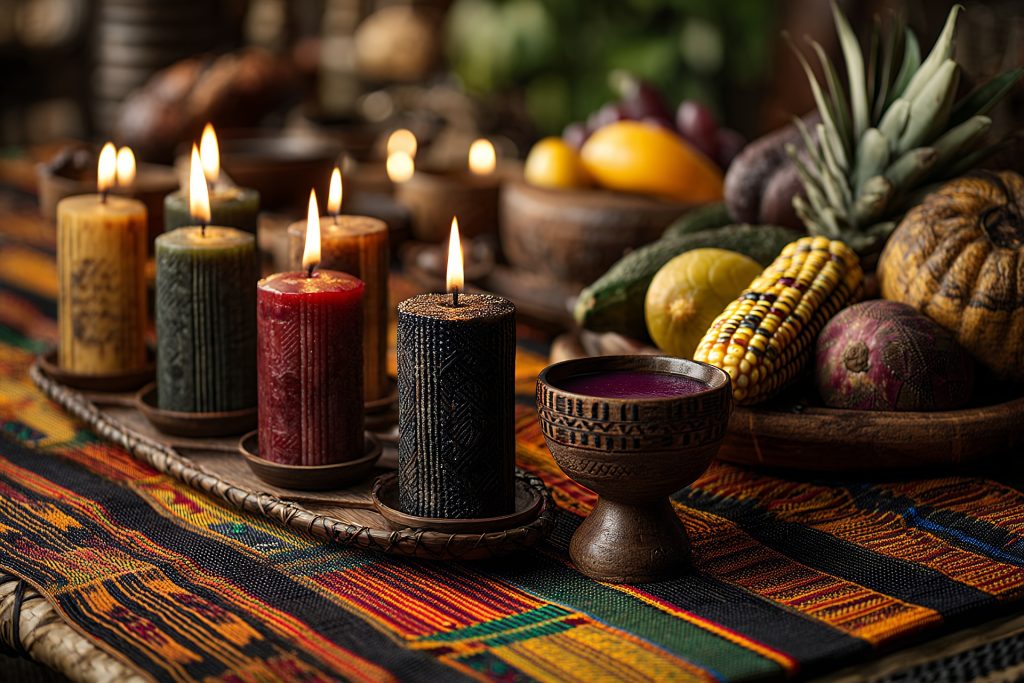
Symbols and Rituals
Kwanzaa uses a set of symbolic items, each representing a cultural idea or value:
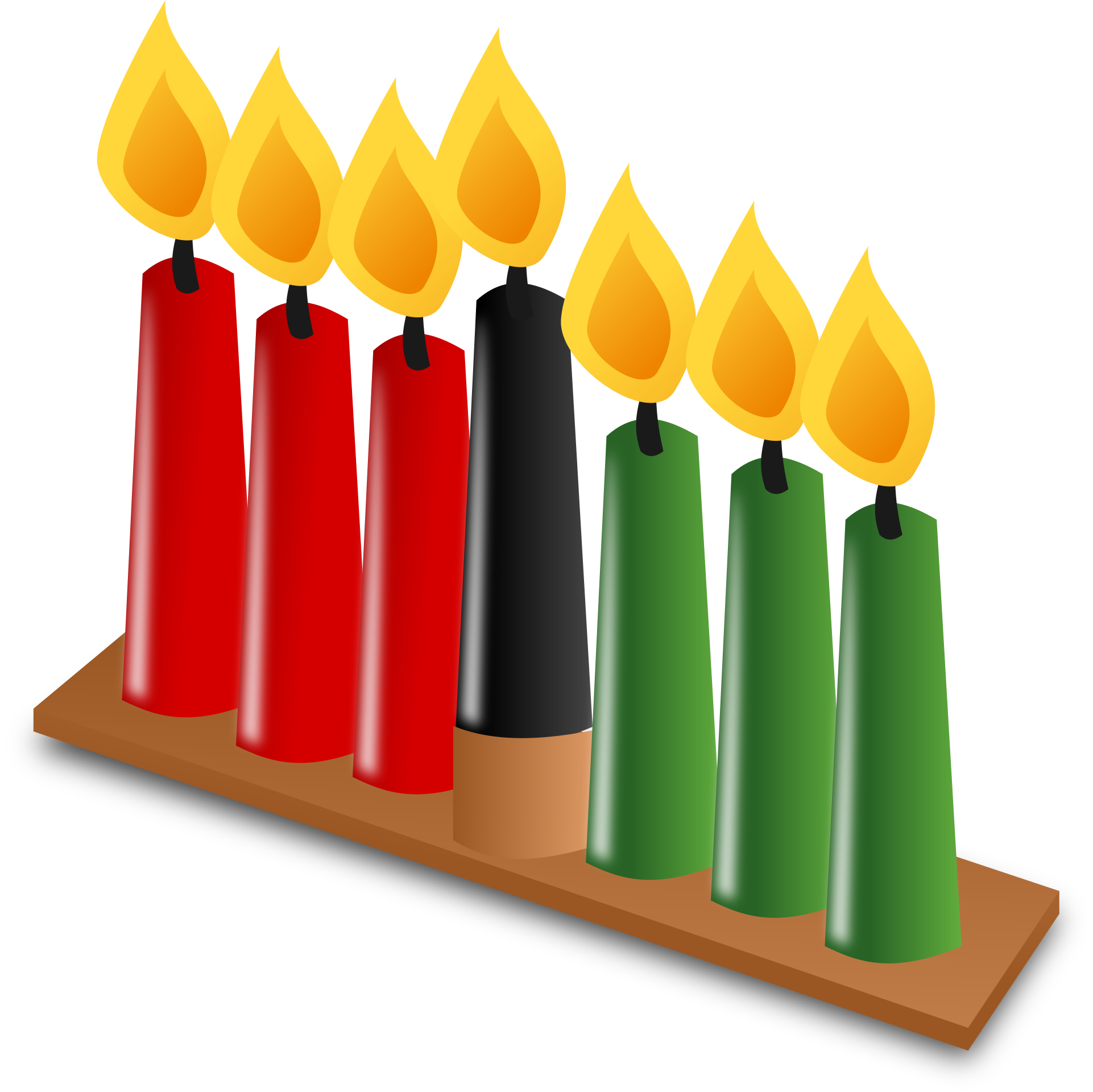
Kinara – A candleholder with seven candles.
Mishumaa Saba – The seven candles: one black, three red, and three green.
Black represents the people.
Red represents their struggle.
Green represents hope and the future.
Mkeka – A woven mat symbolizing the foundation of tradition.
Mazao – Fruits and vegetables representing the harvest.
Kikombe cha Umoja – The Unity Cup, used in a communal libation ceremony.
Zawadi – Gifts, usually handmade or educational, given on the final day.
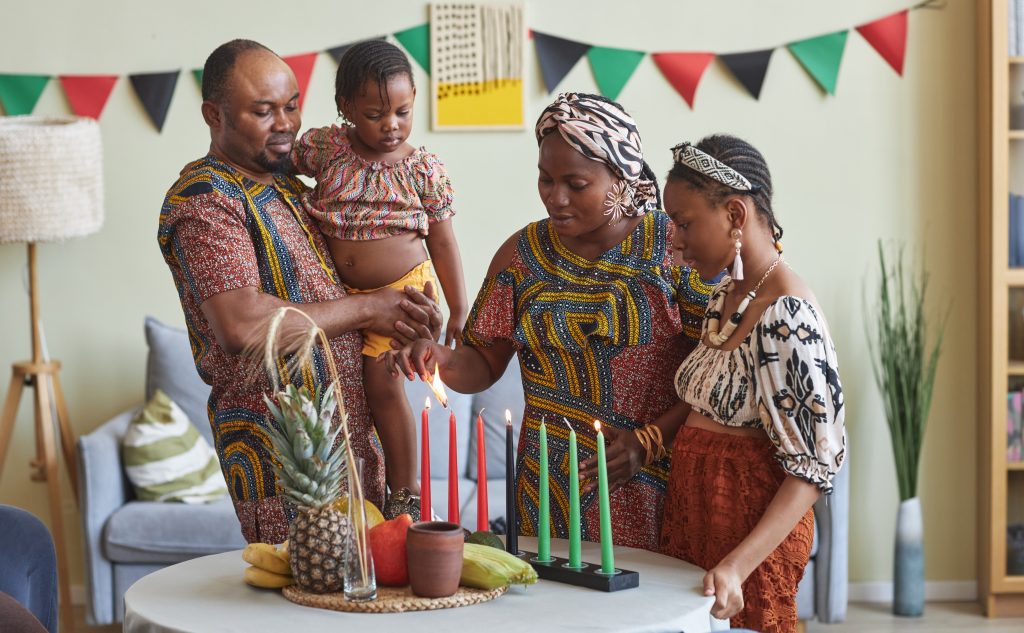
Each evening, families light one candle on the kinara, starting with the black candle in the center. The lighting is often accompanied by discussion of the day’s principle, storytelling, music, or reflection.
Celebrating
Kwanzaa celebrations vary widely, but they tend to be warm, communal, and expressive. Many families decorate their homes with African art, textiles, and holiday symbols. The atmosphere is often filled with music, drumming, jazz, gospel, or traditional African rhythms and gatherings may include poetry readings, dance, or recitations of the principles.
Food plays a major role. While there’s no single “official” Kwanzaa cuisine, many people prepare dishes from across the African diaspora: West African stews, Caribbean dishes, Southern soul food, and African American classics. The big feast, called Karamu, usually takes place on December 31. It’s a joyful, communal meal that honors ancestors and celebrates cultural pride.
Gift‑giving happens on the final day, January 1, and is intentionally modest. Gifts are meant to encourage learning, creativity, and personal growth books, art supplies, or handmade items are common.
My Personal Experience/Conclusion
I have never celebrated Kwanzaa before, but I am becoming more interested in it as I learn about my African American heritage. Growing up, I did not have many traditions that connected me directly to my cultural roots, and most of what I knew came from school or scattered family stories. As I get older, I feel a stronger pull to understand where I come from and to explore the history and values that shaped my community.
Kwanzaa stands out to me because it focuses on culture, identity, and shared principles. The ideas behind it, like unity, self determination, purpose, and creativity, feel meaningful and relevant to the kind of person I want to be. Even though I have never taken part in the celebration, the spirit of it feels welcoming and intentional.
I am not sure what my first experience with Kwanzaa will look like. It might be something simple, like reading about the principles, lighting a candle, or trying a dish inspired by African or African American traditions. Over time, I would like to learn more and maybe celebrate it with others. What matters most to me right now is taking the first step and opening myself to a tradition that honors the history and culture I am connected to.
I am looking forward to learning more about Kwanzaa and exploring my heritage in a deeper way. Even though I am starting from the beginning, I am doing it with curiosity and intention, and I hope it becomes a meaningful part of my life in the future.