The Tradition of Dashain

Samir Sunuwar

The Tradition of Dashain

What is Dashain?


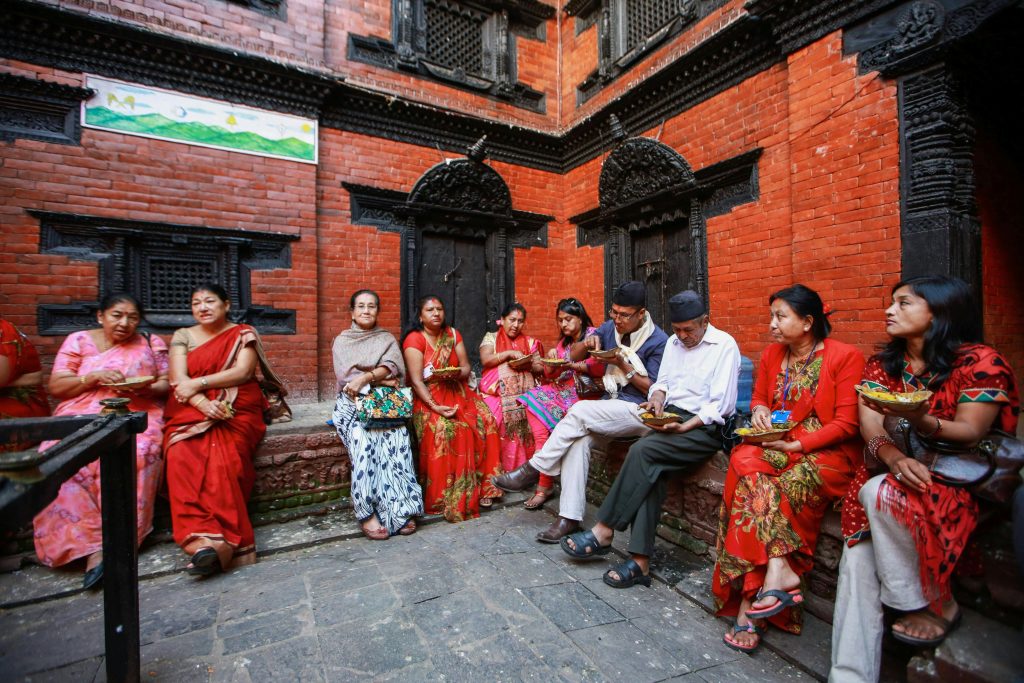
Dashain is more than just a festival; it is the atmospheric shift that defines the Nepali year. Lasting fifteen days during the bright lunar fortnight ending on the day of the full moon in late September or October, it is the longest and most anticipated holiday in the country. While it technically commemorates the victory of the goddess Durga over the demon Mahishasura, to the average person, it represents the “Great Homecoming.” In a nation where many travel far for work or study, Dashain is the gravity that pulls everyone back to their ancestral roots.

The 15 Days of Ritual


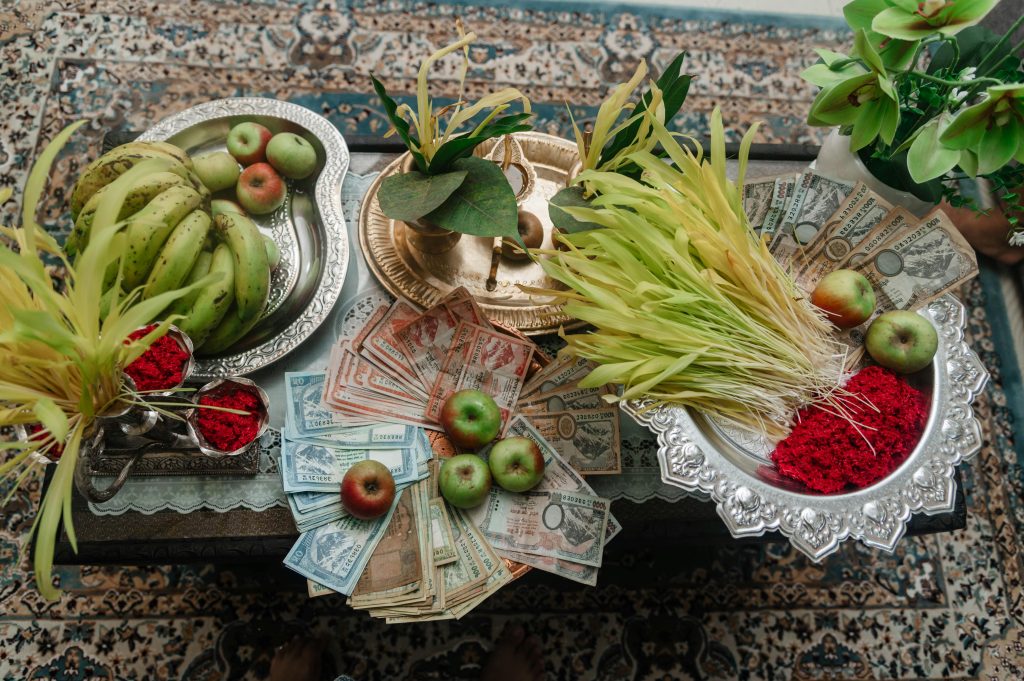
The festival begins with Ghatasthapana, where families sow maize and barley seeds in a traditional leaf vessel. These seeds grow into Jamara, the sacred yellow grass used later in the ceremony. The most intense days are Saptami, Ashtami, and Navami, where the strength of Durga is invoked.

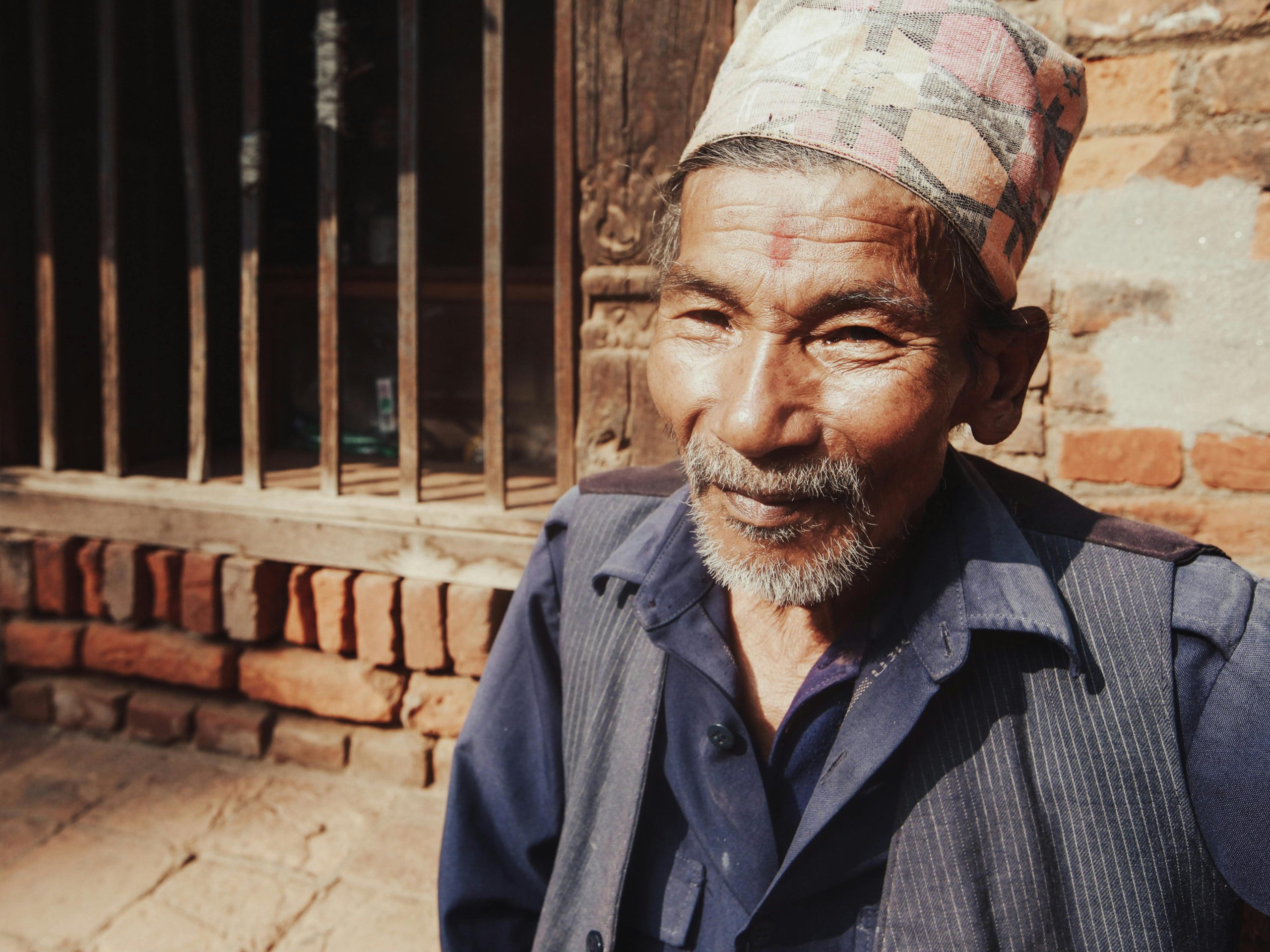
The climax occurs on the tenth day, known as Vijaya Dashami. This is when elders apply Tika (a mixture of vermilion, yogurt, and rice) and Jamara to the foreheads of younger relatives. This act is a blessing of health, prosperity, and longevity. It is a time when grudges are forgotten and family bonds are renewed through a physical seal of red

The religious backbone of Dashain is the worship of Shakti—the female divine energy. For the first nine days, Nepali households focus on the Navadurga (the nine forms of Goddess Durga).


A critical, often overlooked ritual is the Ghatasthapana. This is the formal “installation of the pot.” A kalash (brass pot) filled with holy water is placed in a darkened room, away from direct sunlight. The family priest or the head of the household sows seeds of barley and maize in a bed of sand. This room becomes the Dashain Ghar. For nine days, it is treated as a temple; the sand is watered daily, and the seeds sprout into long, pale yellow stalks known as Jamara.

Traditions in My Family

In my house, Dashain is the one time of year when everything else stops. We live in a world that’s always moving fast, especially being in a different country, but Dashain is like a “pause” button for the Nepali community. It’s when my parents start calling relatives back home every night, and the kitchen starts smelling like goat curry and sel roti (that sweet, ring-shaped rice bread) for days on end.

Even though we aren’t in the mountains, we keep the traditions exactly the same. We still grow the Jamara in a dark corner of the house, and we still wait until the tenth day to get our Tika. It’s a huge deal because it’s the only time I see my whole extended family in one room. We might be wearing brand-new clothes from the mall, but once that red Tika hits our foreheads, we are strictly back to our roots. It’s about respect—showing the elders that even though we’re growing up in a different culture, we haven’t forgotten where we came from.

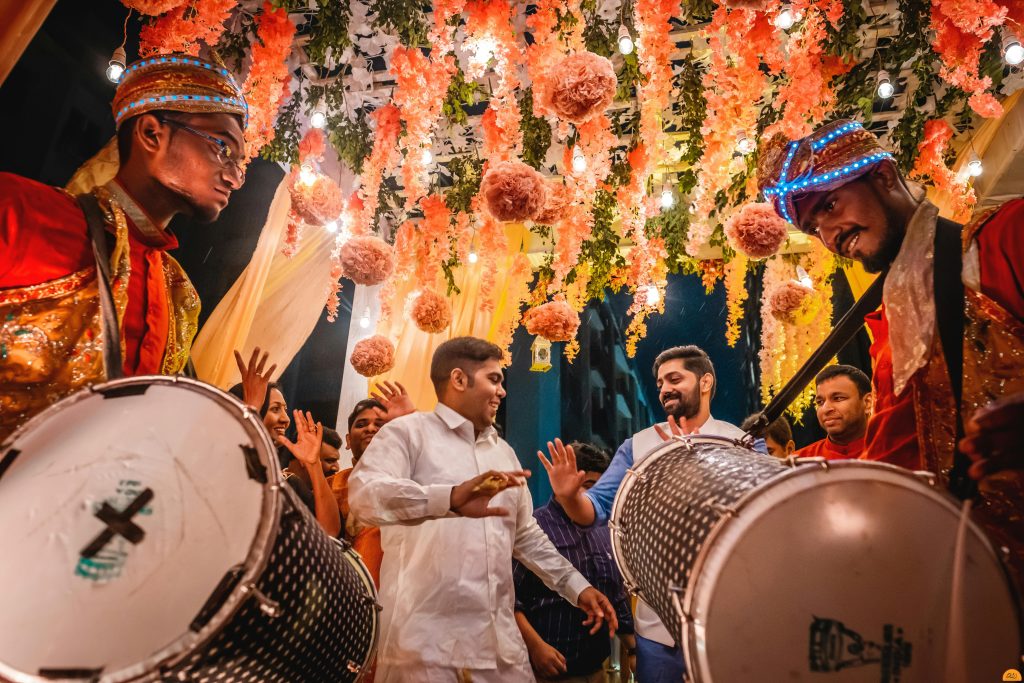
"Dashain has been in the Nepali tradition for generations. It’s the time that brings family close together no matter the distance. Without these traditions, we are just people living in a house; with them, we are a family with a home."
Laxman Sunuwar
Grandfather

Conclusion

Dashain is more than just a victory of a Goddess over a demon. It is a victory of community over isolation. It is a reminder that we are never truly alone as long as we have our traditions to bring us back home. Whether you are in the heart of Nepal or halfway across the world, the message of Dashain is universal: respect your roots, cherish your family, and always leave the door open for a guest.

Sources: