Woven Faith

Mandip Siwa

Woven Faith

A Story of the Nepali Christian Culture

History

The story of many Nepali Christians in the diaspora begins with displacement. In the early 1990s, tens of thousands of ethnic Nepalis living in Bhutan (the Lhotshampa) were stripped of their citizenship and forced to flee to eastern Nepal. They spent roughly two decades living in United Nations-run refugee camps. Amidst the severe hardships, lack of resources, and uncertainty of camp life, a profound spiritual awakening occurred. Many refugees found hope, solace, and a deep sense of community by embracing Christianity. [Study on Refugee Mental Health]. Faith became an anchor, providing a structural support system and a message of hope when their political and geographical identities were stripped away.

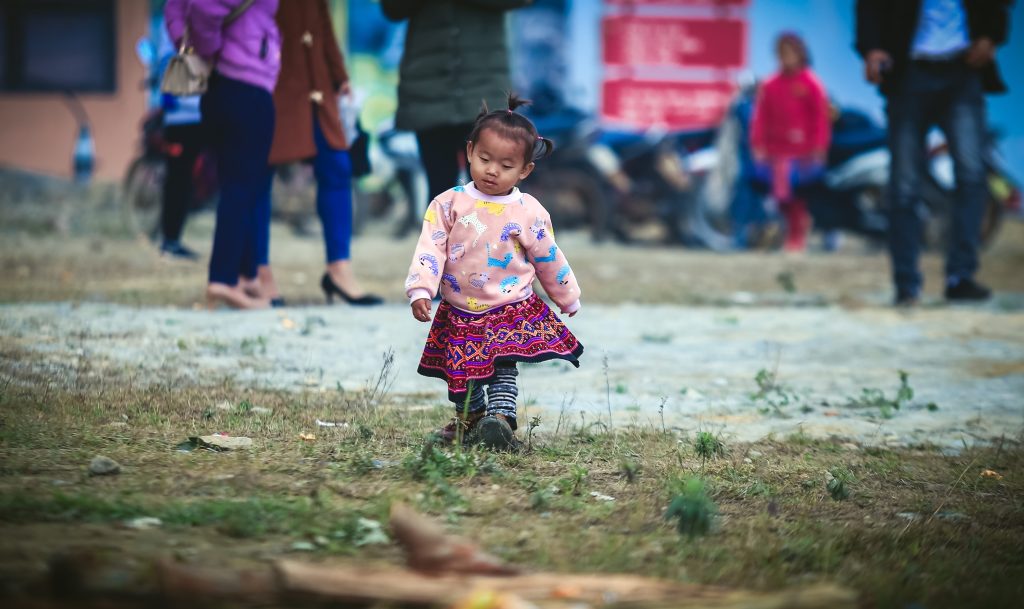
Young Nepali child walking alone through the markets.

Cultural Expression

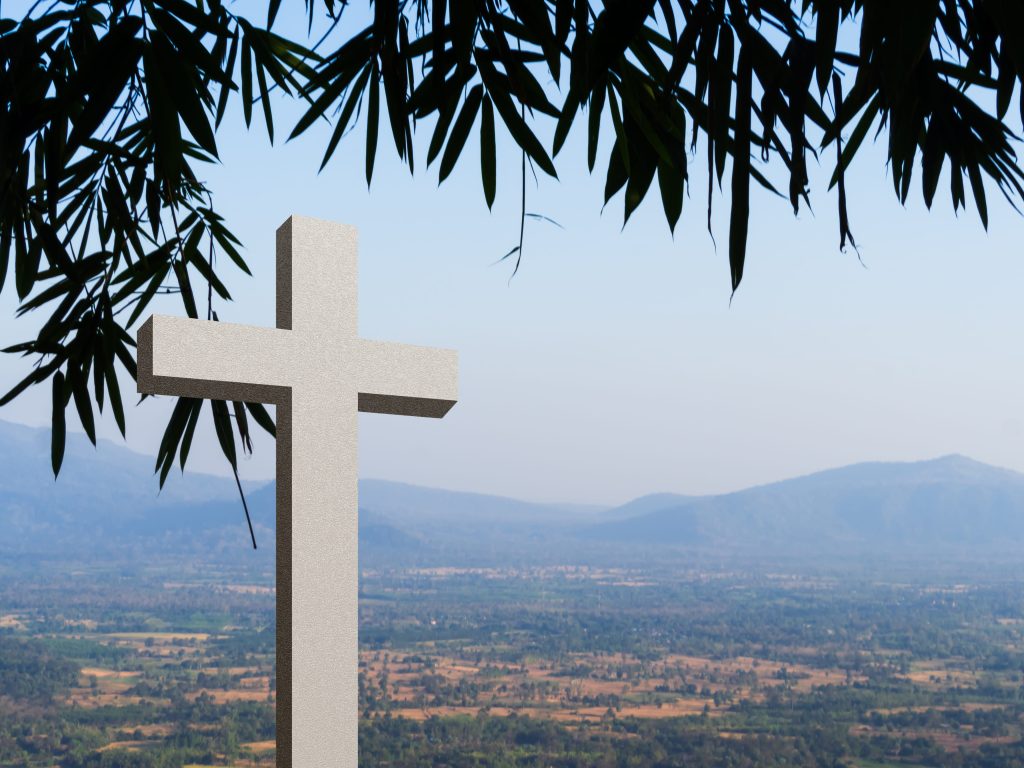
A Christian cross in front of a scenic background.

Nepali Christian culture is a beautiful, syncretic blend of Eastern traditions and Christian worship. Step into a Nepali church service, and you will not hear traditional Western hymns played on a pipe organ. Instead, the air vibrates with the rhythmic beats of the madal (a traditional Nepali hand drum) and the strumming of acoustic guitars. Worship is highly participatory, often featuring vibrant traditional dances performed in customary attire like the daura suruwal for men and bright kurthas or saris for women. The language of the church is Nepali, preserving the mother tongue for a generation born in resettlement countries. This unique cultural expression proves that adopting a new faith did not mean abandoning their rich Himalayan heritage.

The Heart

“When I think back to our journey from Bhutan to the refugee camps in Nepal, the hardest part was the sudden loss of our home and our citizenship. We lived in fragile bamboo shelters for years, relying on rations and each other to survive the monsoon rains and the deep uncertainty of our future. It was in those dusty camps, when we were told we didn’t belong anywhere, that our family found our Christian faith. Gathering on Sundays under hot tin roofs gave us a peace the government couldn’t take away; it taught us that even without an earthly country, we had a Savior and a permanent home in His kingdom. I want your generation to remember that our hardships built our character, and that this faith is the anchor that will sustain you no matter where in the world you live.” – Maya Lepcha (My Mother)

Resettlement

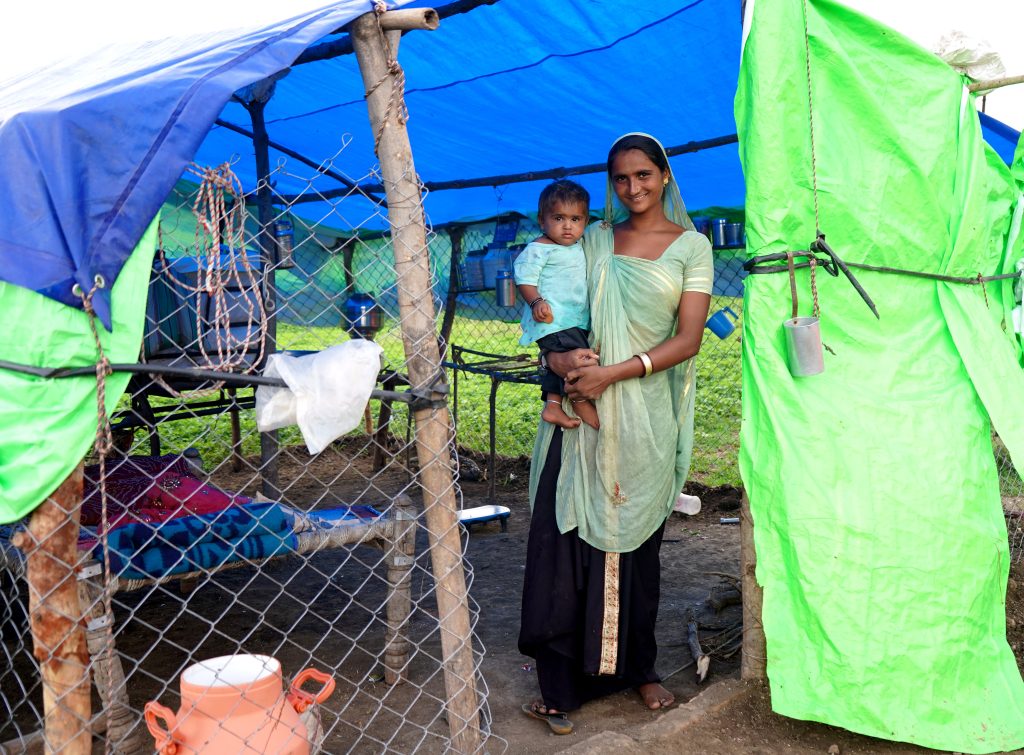
A mother and her daughter outside of their makeshift home/tent.

Beginning in 2007, a massive third-country resettlement program was initiated. Over 100,000 Bhutanese-Nepali refugees were resettled in countries like the United States, Australia, and Canada. [Study done by Syracuse University]. While resettlement offered a path out of the refugee camps, it introduced a new set of challenges: language barriers, culture shock, and the struggle to maintain identity in a Western society. For the Nepali Christian community, the church became the ultimate “safe haven” in these new lands. It served not only as a place of spiritual refuge but as a cultural preservation center, a networking hub for jobs, and a place for mutual aid.

Nepali Christian community

Today, the Nepali Christian diaspora is thriving. Across the United States and the globe, local congregations have grown from small living room gatherings to large, self-sustaining churches. The younger generation faces the unique challenge of balancing three distinct identities: their ethnic Nepali roots, their faith, and the culture of their host country. Yet, they continue to bridge the gap. Through youth ministries, digital connectivity, and annual conventions, the Nepali Christian community remains fiercely united. They are no longer just survivors of displacement; they are active, contributing members of a global society, rooted firmly in faith and heritage.
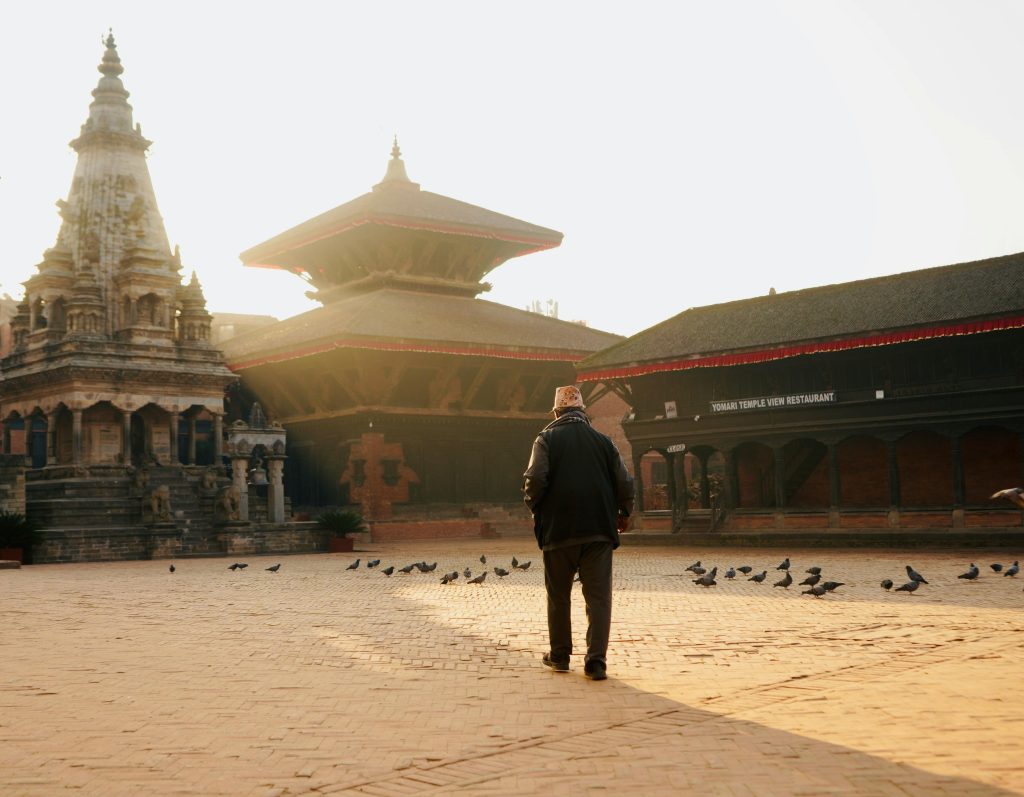
A man exploring central Nepal.